Mold Abatement in Fort Lauderdale, FL
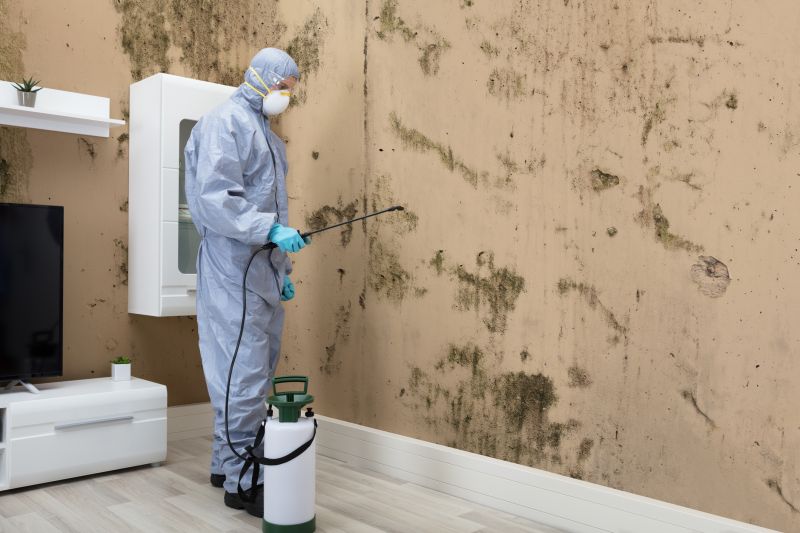
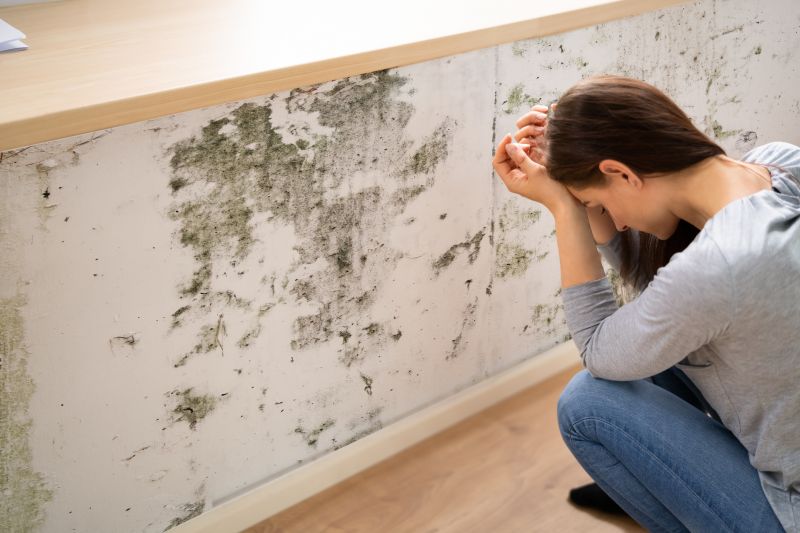
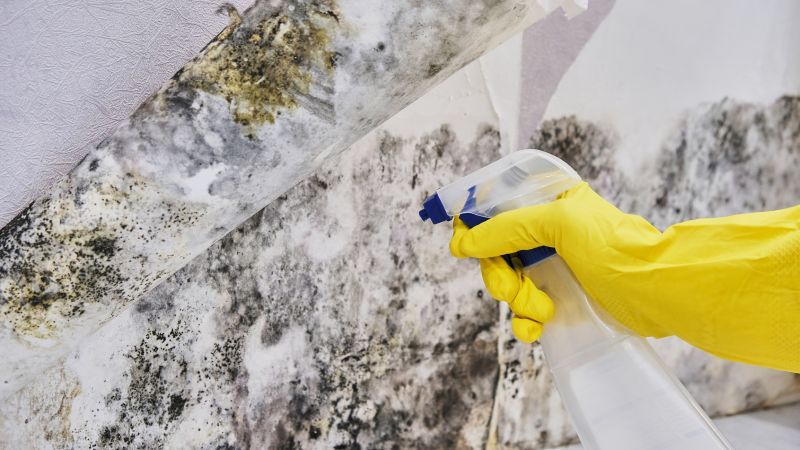
Mold abatement services focus on identifying and removing mold growth within residential properties. These services typically cover projects involving mold found on walls, ceilings, floors, or hidden areas such as behind drywall or under flooring. Property owners often seek mold abatement after noticing signs like musty odors, visible mold patches, or health concerns related to mold exposure. The process involves thorough inspection, containment to prevent spread, removal of affected materials, and proper cleaning to ensure mold does not return.
Before requesting mold abatement, homeowners usually want to understand the scope of the project, including the extent of mold growth and the areas affected. It’s important to consider the source of moisture that led to mold development, such as leaks or high humidity, as addressing these issues is crucial for long-term results. Property owners should also inquire about the methods used for mold removal and the precautions taken to protect their living environment during the process.
Many property owners in Fort Lauderdale, FL look into Mold Abatement for repairs, replacements, upgrades, and appearance-related improvements.
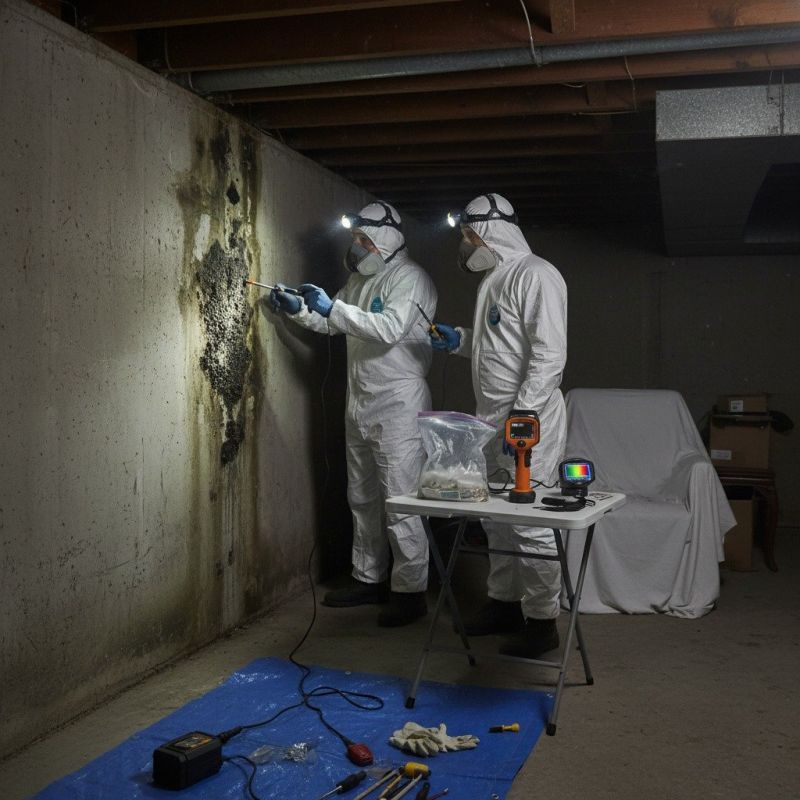
Mold Risk Reduction
Effective mold abatement helps improve indoor air quality and protect property value.
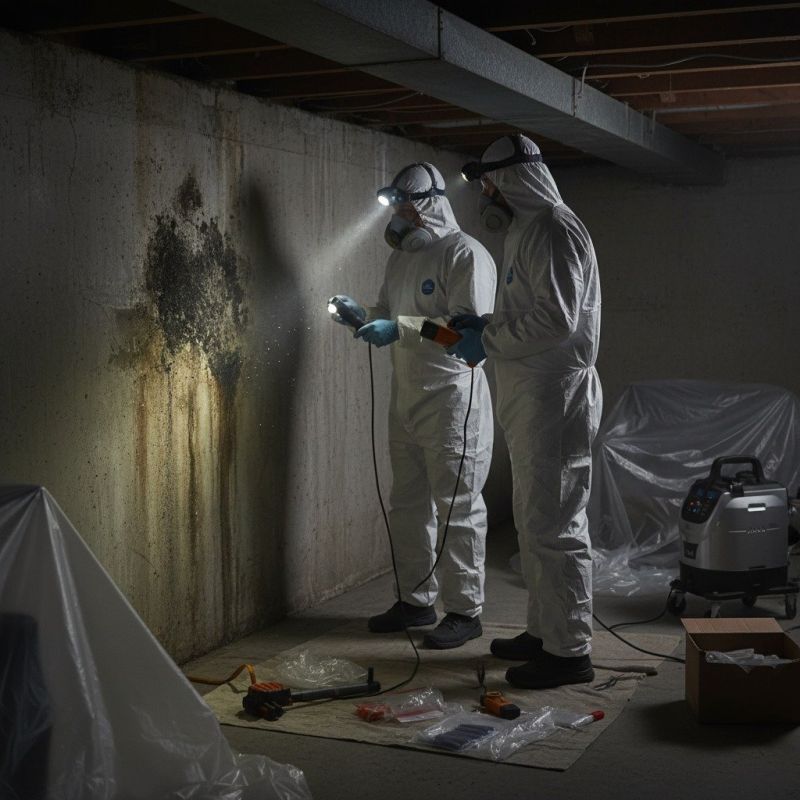
Property Damage Prevention
Removing mold growth prevents structural damage and preserves the integrity of buildings in fort lauderdale, fl.
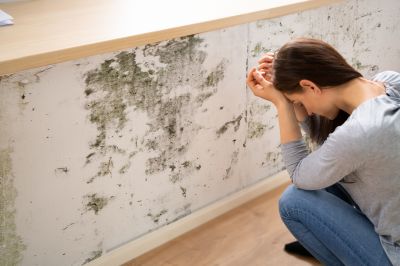
Health And Safety Assurance
Professional mold removal minimizes health risks associated with mold exposure for residents and visitors.
Mold Abatement in Fort Lauderdale, FL

Mold abatement services focus on identifying and removing mold growth within residential properties. These services typically cover projects involving mold found on walls, ceilings, floors, or hidden areas such as behind drywall or under flooring. Property owners often seek mold abatement after noticing signs like musty odors, visible mold patches, or health concerns related to mold exposure. The process involves thorough inspection, containment to prevent spread, removal of affected materials, and proper cleaning to ensure mold does not return.
Before requesting mold abatement, homeowners usually want to understand the scope of the project, including the extent of mold growth and the areas affected. It’s important to consider the source of moisture that led to mold development, such as leaks or high humidity, as addressing these issues is crucial for long-term results. Property owners should also inquire about the methods used for mold removal and the precautions taken to protect their living environment during the process.
Many property owners in Fort Lauderdale, FL look into Mold Abatement for repairs, replacements, upgrades, and appearance-related improvements.
Common Mold Abatement Jobs
Mold Remediation - removes existing mold from indoor surfaces to improve air quality.
Mold Prevention - implements measures to reduce future mold growth after cleanup.
Water Damage Restoration - addresses leaks and moisture issues that can lead to mold development.
Humidity Control - manages indoor moisture levels to inhibit mold growth.
Structural Drying - thoroughly dries affected building materials following water intrusion.
Air Quality Testing - assesses indoor air for mold spores and contamination levels.
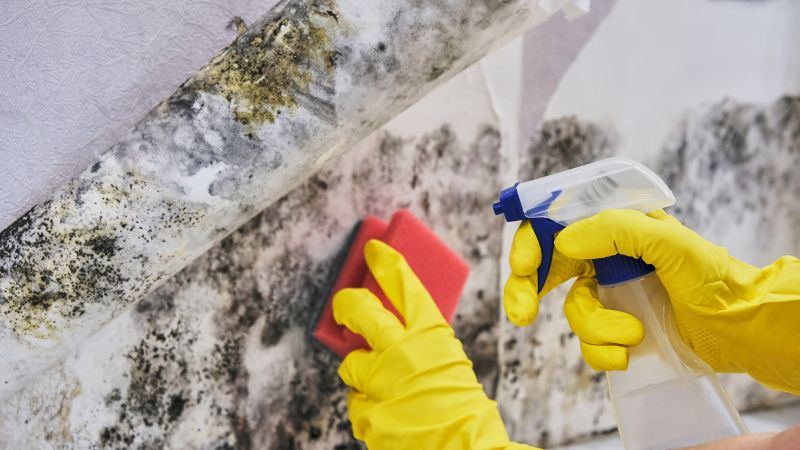
Mold Abatement Questions
What is mold abatement? Mold abatement involves removing mold growth from indoor spaces to improve air quality and prevent health issues.
When is mold abatement needed? It is recommended when visible mold is present or when a moisture problem has led to mold growth in the property.
What types of projects require mold abatement? Mold abatement is common in cases of water damage, leaks, or after flooding events in residential or commercial buildings.
What should property owners know about mold abatement? Proper mold abatement involves thorough removal and addressing moisture sources to prevent future growth.
Request Mold Abatement in Fort Lauderdale, FL
Use the quote form on this page to share the basics of your project and request more information for the type of work you need.